Dreamlight Font: A Natural Script for Branding
I still remember the afternoon I sat in my small studio, surrounded by half-finished label designs and empty coffee cups. My client, a local artisan who makes soy candles with botanical scents, was struggling to communicate the gentle, organic nature of her products through her packaging. Her previous labels used a stiff, geometric typeface that felt more like a tech startup than a cozy home fragrance brand. We needed something softer, something that felt like it had been touched by human hands. That is when we discovered Dreamlight, a beautiful hand painting script from Script Amp that changed the entire visual direction of her brand.
As a creative consultant, I have tested countless fonts over the years. Many claim to be "handwritten," but they often look too perfect, too digital, or too messy to be legible. Dreamlight sits in a sweet spot that is increasingly rare in the world of commercial fonts. It offers a natural look that feels authentic without sacrificing clarity. For small business owners, entrepreneurs, and online sellers, finding a typeface that balances personality with professionalism is crucial. This review explores how Dreamlight can elevate your brand identity, whether you are designing product labels, refreshing a café menu, or updating your Instagram templates.
The Visual Character of Dreamlight
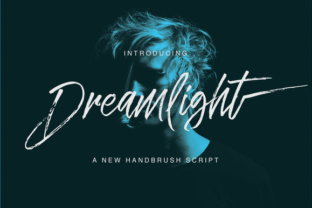
When you first load Dreamlight into your design software, the immediate impression is one of fluidity. Unlike rigid serif fonts or ultra-modern sans serif options, this script font mimics the stroke of a brush or a thick marker. The letters connect with a relaxed rhythm, avoiding the robotic uniformity that plagues many lower-quality script fonts. The variation in line weight gives it depth, making it feel three-dimensional on a flat screen or printed page.
For a brand builder, this visual character translates directly into trust. Customers subconsciously associate handwritten elements with care, craftsmanship, and personal attention. When I applied Dreamlight to the candle labels, the text did not just sit on the paper; it seemed to belong there. It softened the overall aesthetic, making the brand feel approachable and warm. This is the power of good typography: it does not just convey information; it sets an emotional tone before the customer even reads the product description.
Practical Applications for Small Businesses
One of the most common questions I get from clients is where to use a decorative font like Dreamlight. Because it is a display font, it shines brightest in headlines and short phrases rather than long blocks of body text. Here are a few real-world scenarios where this font excels:
- Product Packaging and Labels: For handmade goods, such as skincare jars, bakery boxes, or boutique clothing tags, Dreamlight adds a premium feel. It works exceptionally well for product names or key descriptors like "Handmade" or "Organic."
- Social Media Graphics: In the crowded feed of Instagram or Pinterest, a striking headline can stop the scroll. Using Dreamlight for quote graphics, sale announcements, or new product launches creates a consistent and recognizable visual style.
- Thank-You Cards and Inserts: Including a handwritten note in every order is a great way to build loyalty. If you cannot write every note by hand, printing a message in Dreamlight on your thank-you cards maintains that personal touch at scale.
- Website Banners and Headers: On your online shop, use this font for hero sections or special collection titles. It draws the eye and breaks up the monotony of standard web typography.
However, readability is key. While Dreamlight is clear, it should not be used for fine print, ingredient lists, or terms and conditions. Pair it with a clean sans serif font for those details to ensure your customers can easily read all necessary information on mobile screens and printed materials.
Building a Consistent Brand Identity
Consistency is the backbone of any strong brand identity. When I work with businesses, I emphasize that their fonts should be used across all touchpoints. If Dreamlight is chosen for the logo, it should also appear on business cards, flyers, and digital ads. This repetition helps customers recognize your brand instantly. A disjointed visual presence, where different fonts are used randomly, can make a business look amateurish or untrustworthy.
By adopting Dreamlight as part of your core design assets, you create a cohesive narrative. Imagine a café that uses this script on its chalkboard menu, its napkins, and its Instagram stories. The repeated visual cue reinforces the brand’s personality—relaxed, artistic, and inviting. This level of polish makes a small business look established and professional, even if it is just starting out.
Pairing and Technical Considerations
To get the most out of Dreamlight, consider how it interacts with other typefaces. It pairs beautifully with minimalist sans serif fonts, which provide a modern contrast to the organic flow of the script. For a more traditional or elegant look, try pairing it with a classic serif font. The goal is to let Dreamlight be the star while the supporting typography handles the heavy lifting of readability.
Before purchasing any commercial font, always check the licensing terms. Ensure that the license covers your intended use, whether it is for physical products, digital downloads, or client work. Script Amp typically provides clear guidelines, but it is wise to verify file formats and included styles. Check if the font includes alternates or ligatures, which can add variety to your designs and prevent repetitive-looking letter combinations. Also, confirm multilingual support if you plan to reach a global audience.
In the end, choosing the right font is about more than aesthetics; it is about communication. Dreamlight offers a natural, polished look that helps small businesses stand out in a saturated market. Whether you are a baker, a crafter, or a boutique owner, integrating this script into your branding can make your materials feel more memorable and customer-friendly. It is a simple change that yields significant results in how your brand is perceived.